Asset Optimization: Transforming Stalled Projects into Living Assets
Across Nigeria’s urban landscape, countless buildings and infrastructure projects remain stalled or abandoned — locked in unrealized potential. At Hanaini, asset optimization is our strategic intervention designed to transform these dormant structures into productive, value-generating real estate.
Hanaini’s asset optimization model focuses on taking over stalled or distressed projects under structured contract arrangements that transfer the burden of development, financing, and execution to Hanaini. Through this approach, we revive projects that would otherwise continue to deteriorate, reducing urban blight while unlocking economic and social value.
Our process begins with a comprehensive technical and financial assessment of each asset. We evaluate structural integrity, location value, market demand, and development feasibility before deploying capital, expertise, and project management capacity to reposition the asset for its highest and best use — particularly within key urban centers.
By assuming the responsibility for development, Hanaini absorbs the risks associated with construction, funding, and execution, allowing asset owners and stakeholders to benefit from optimized outcomes without the strain of stalled capital commitments. This model contributes directly to reducing the number of abandoned buildings across Nigeria while stimulating urban regeneration.
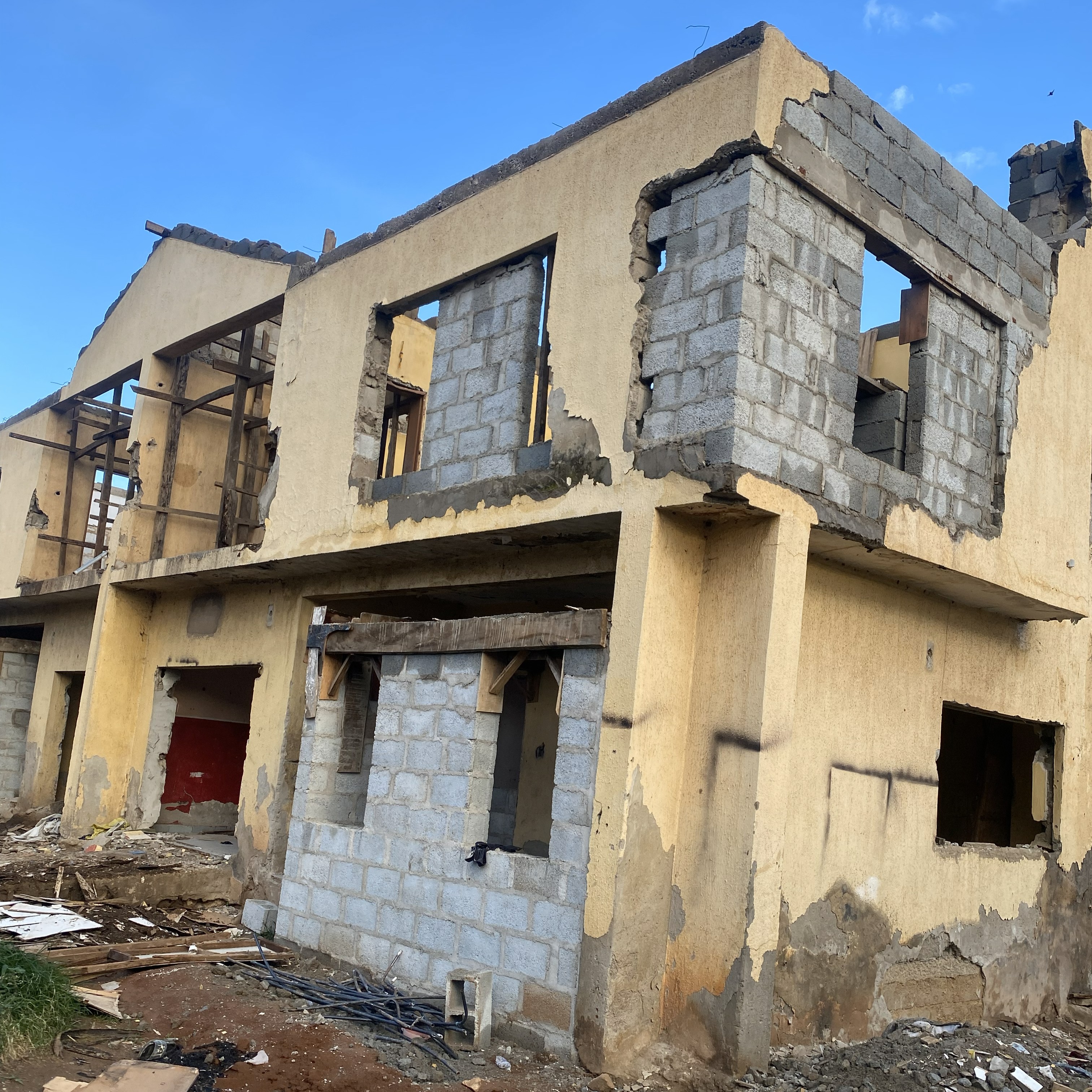
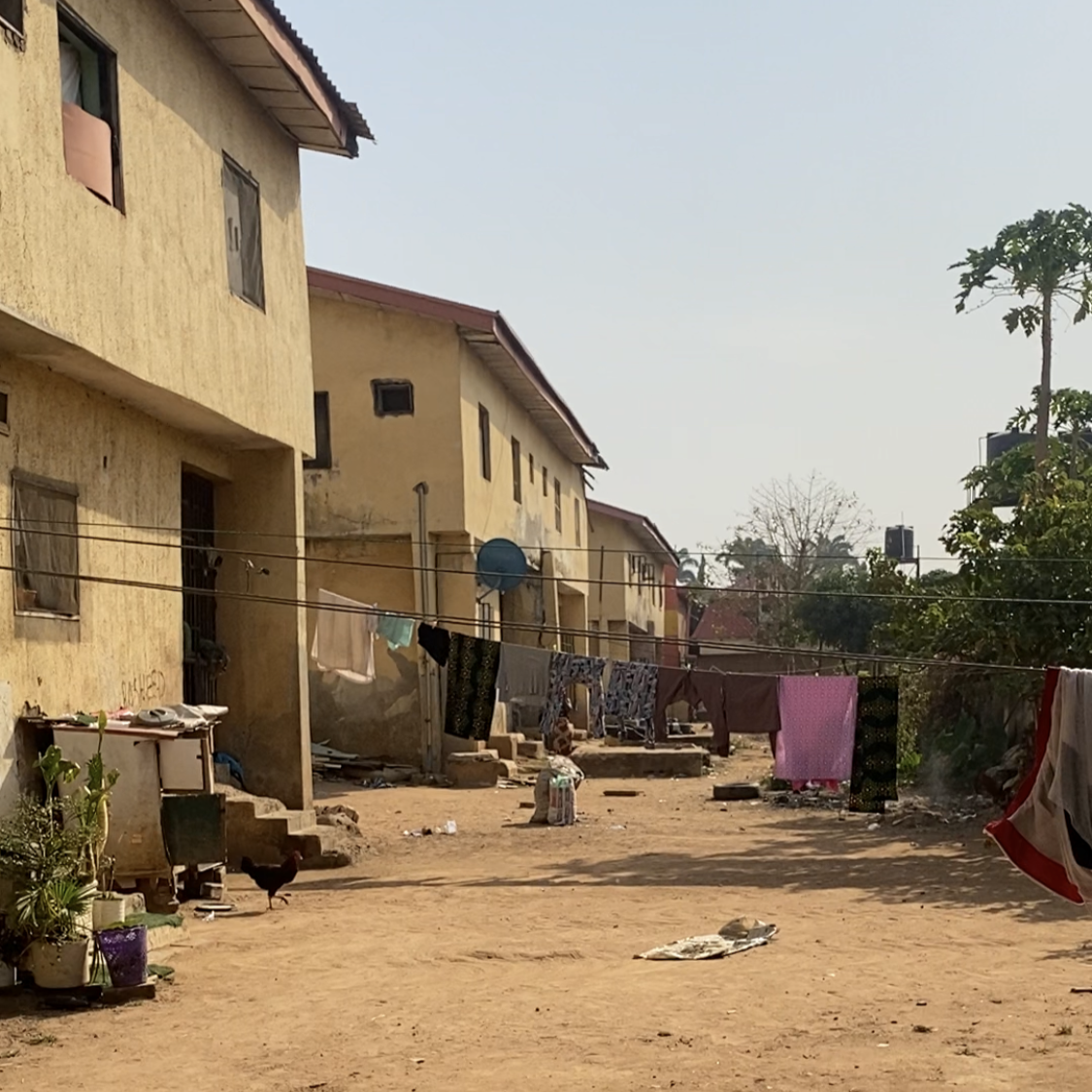
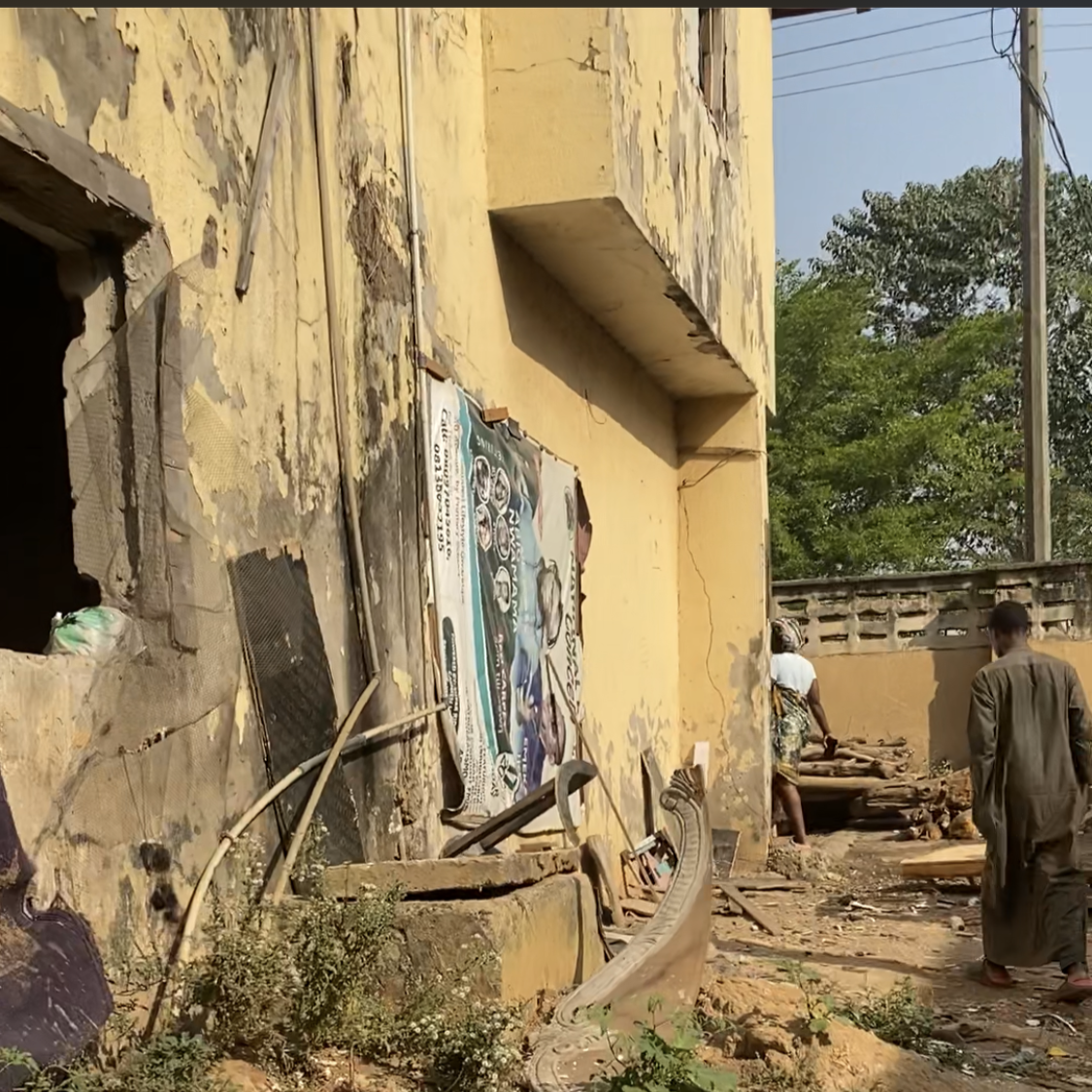
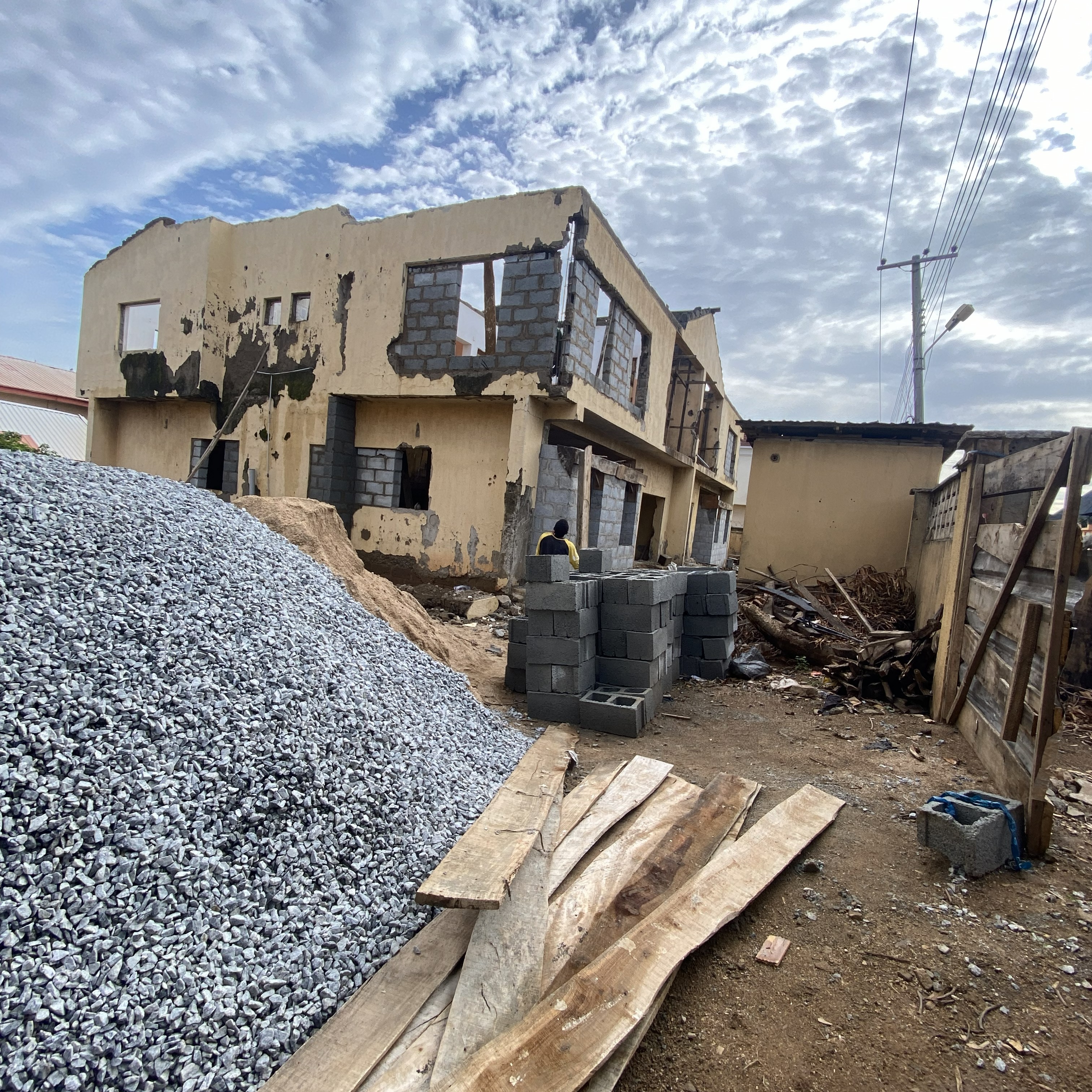
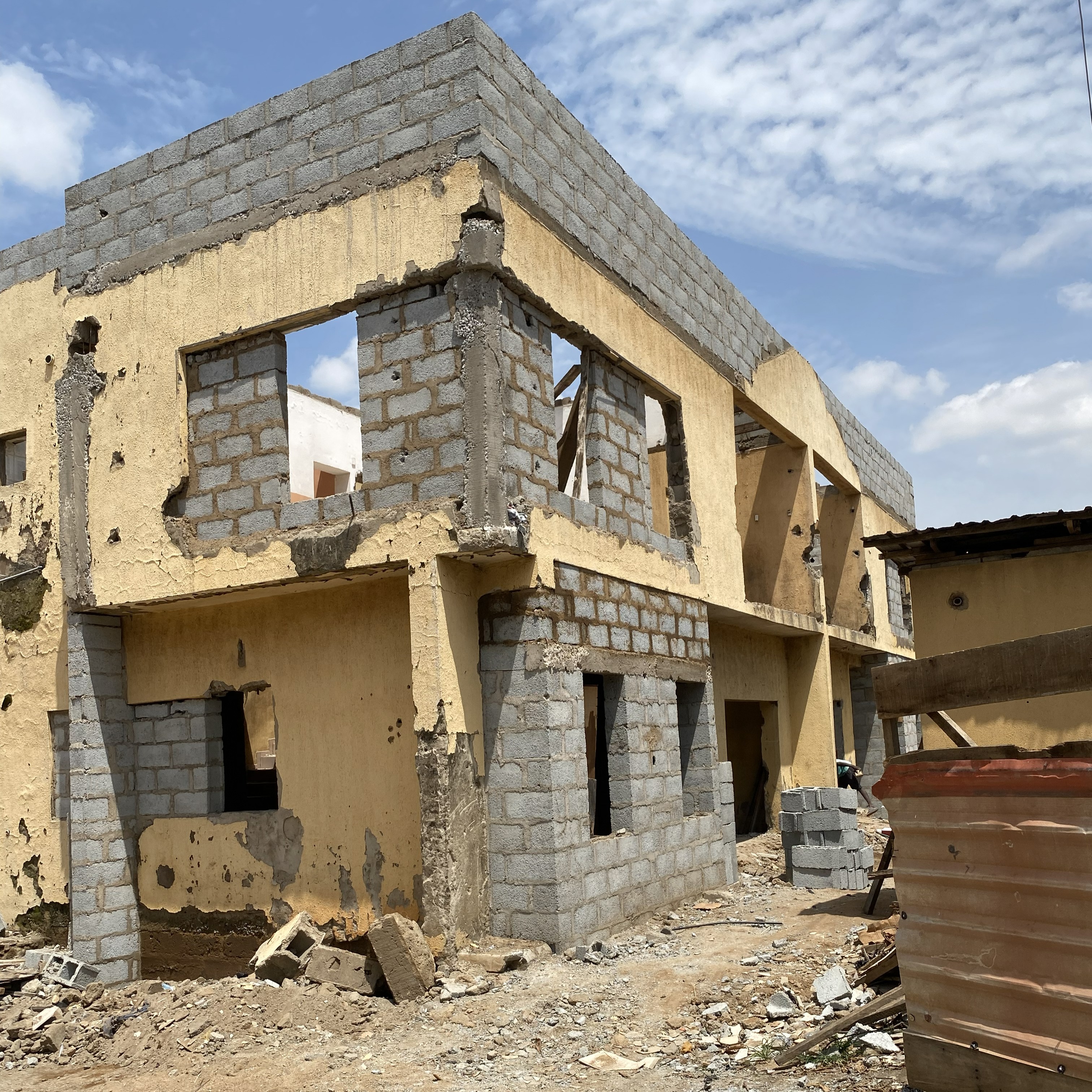
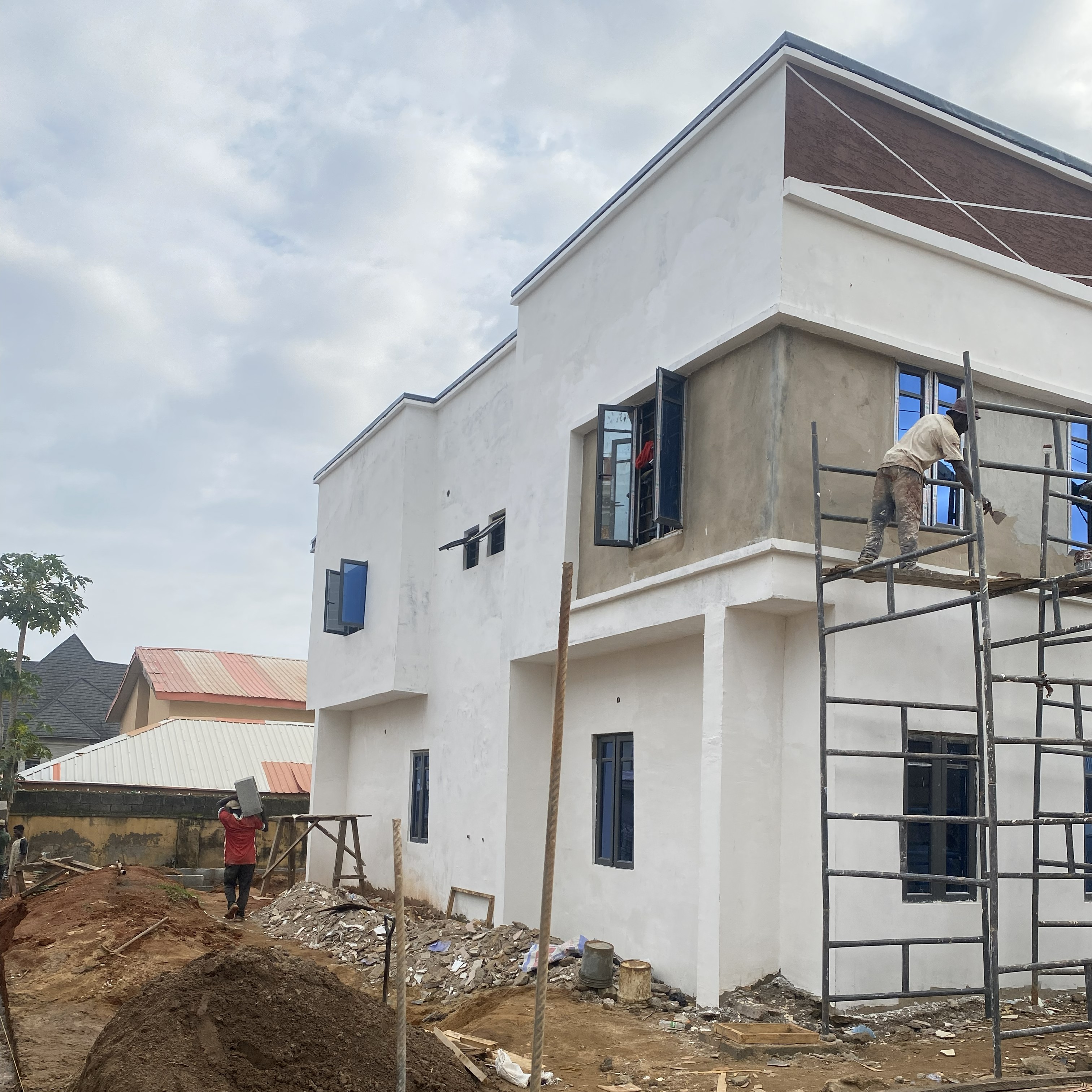
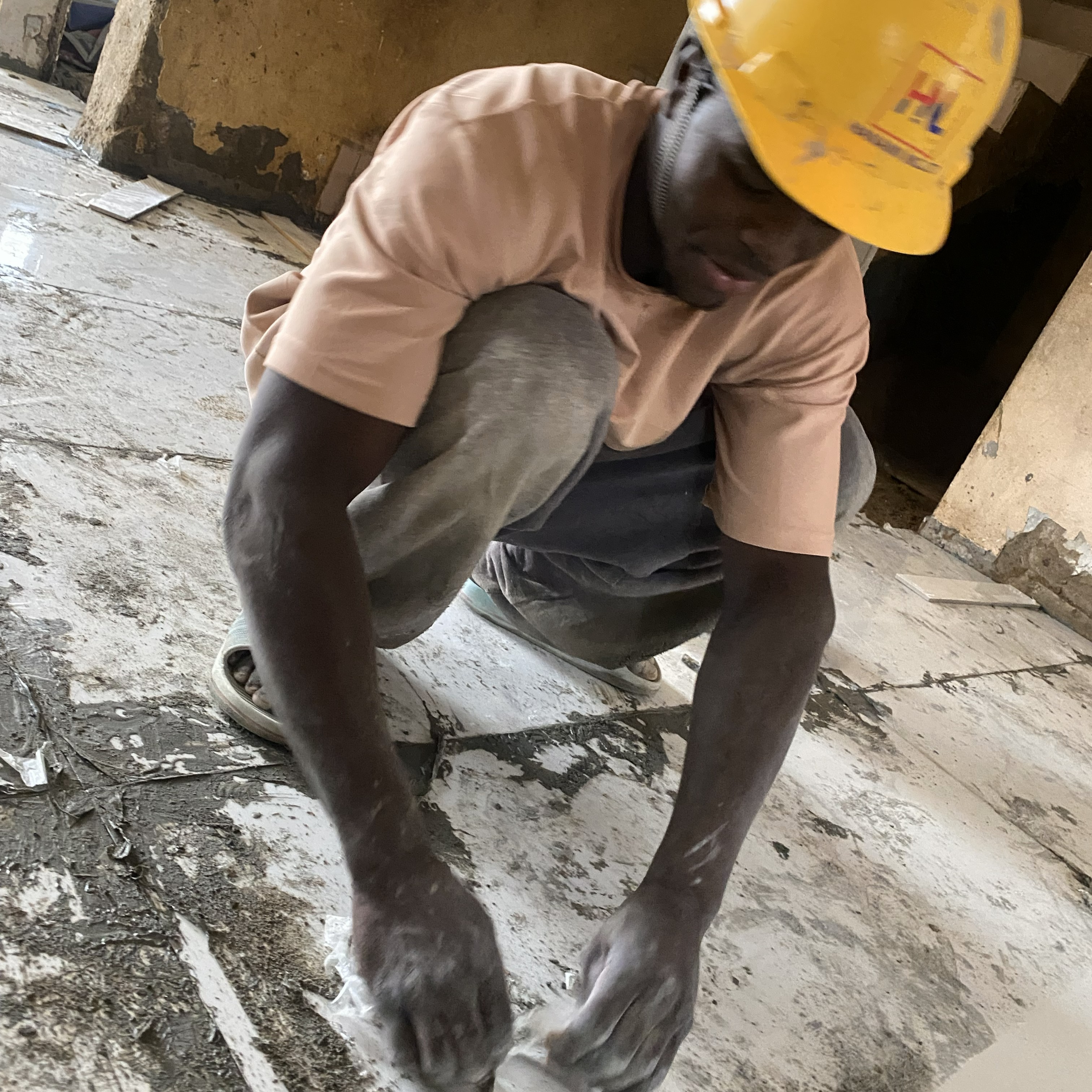
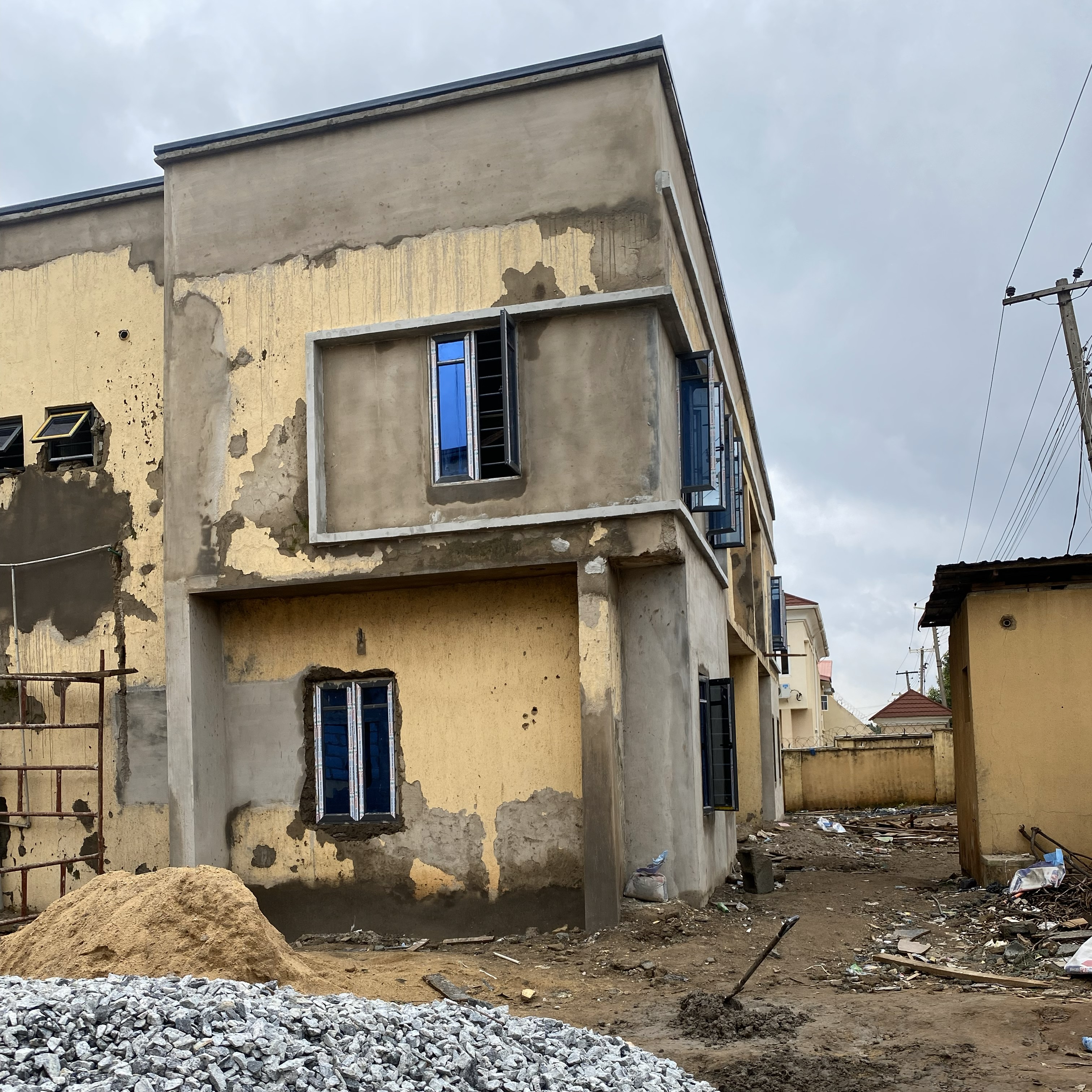
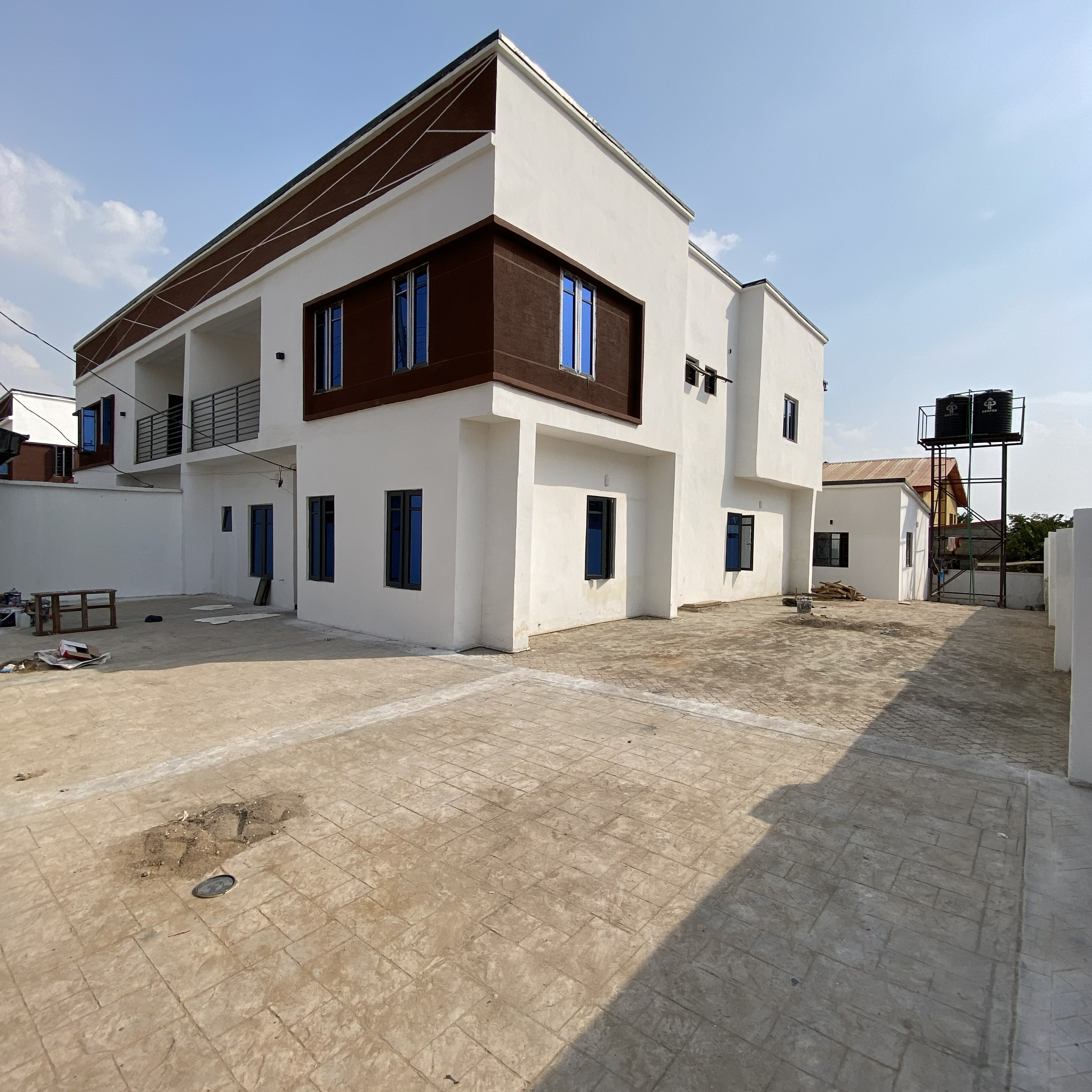
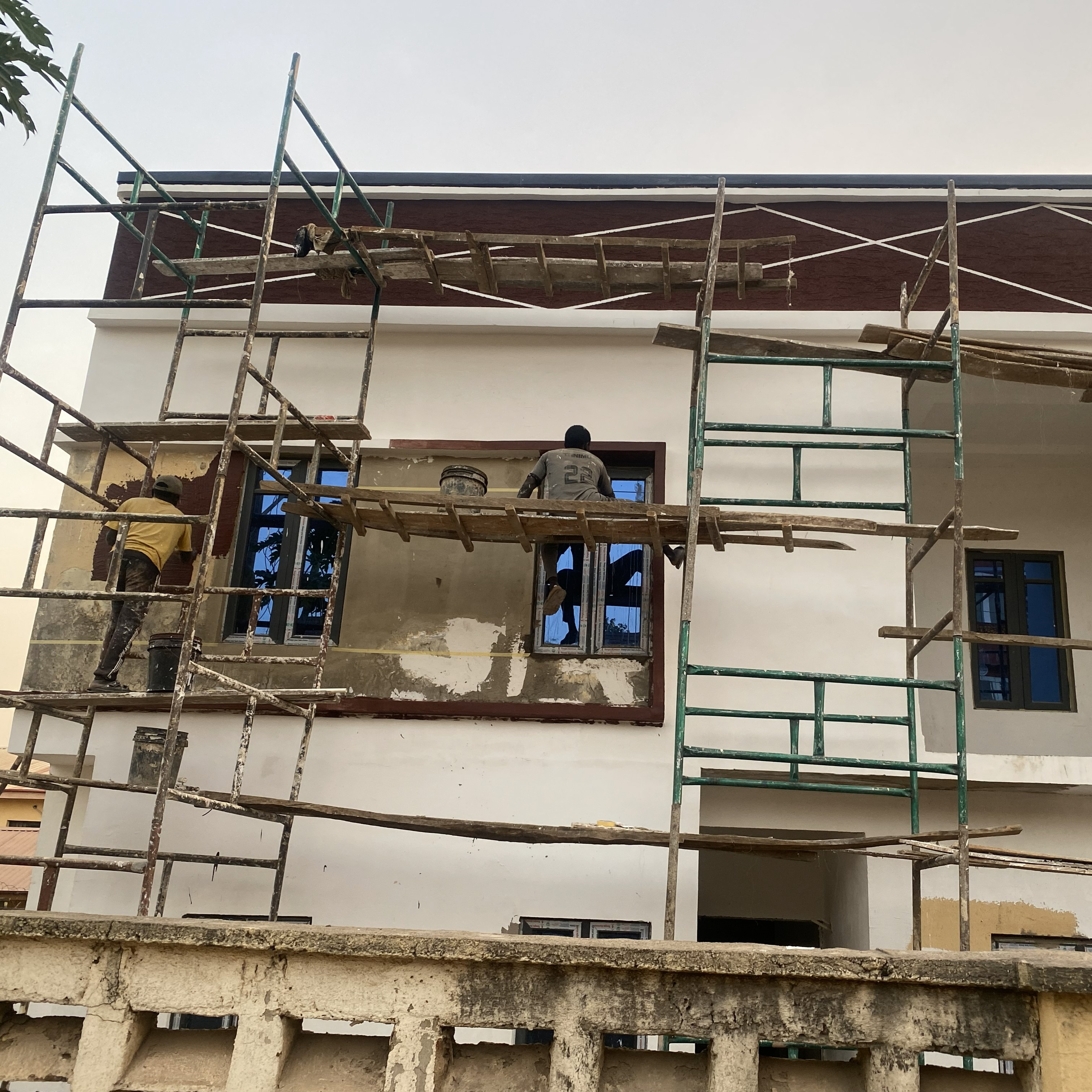
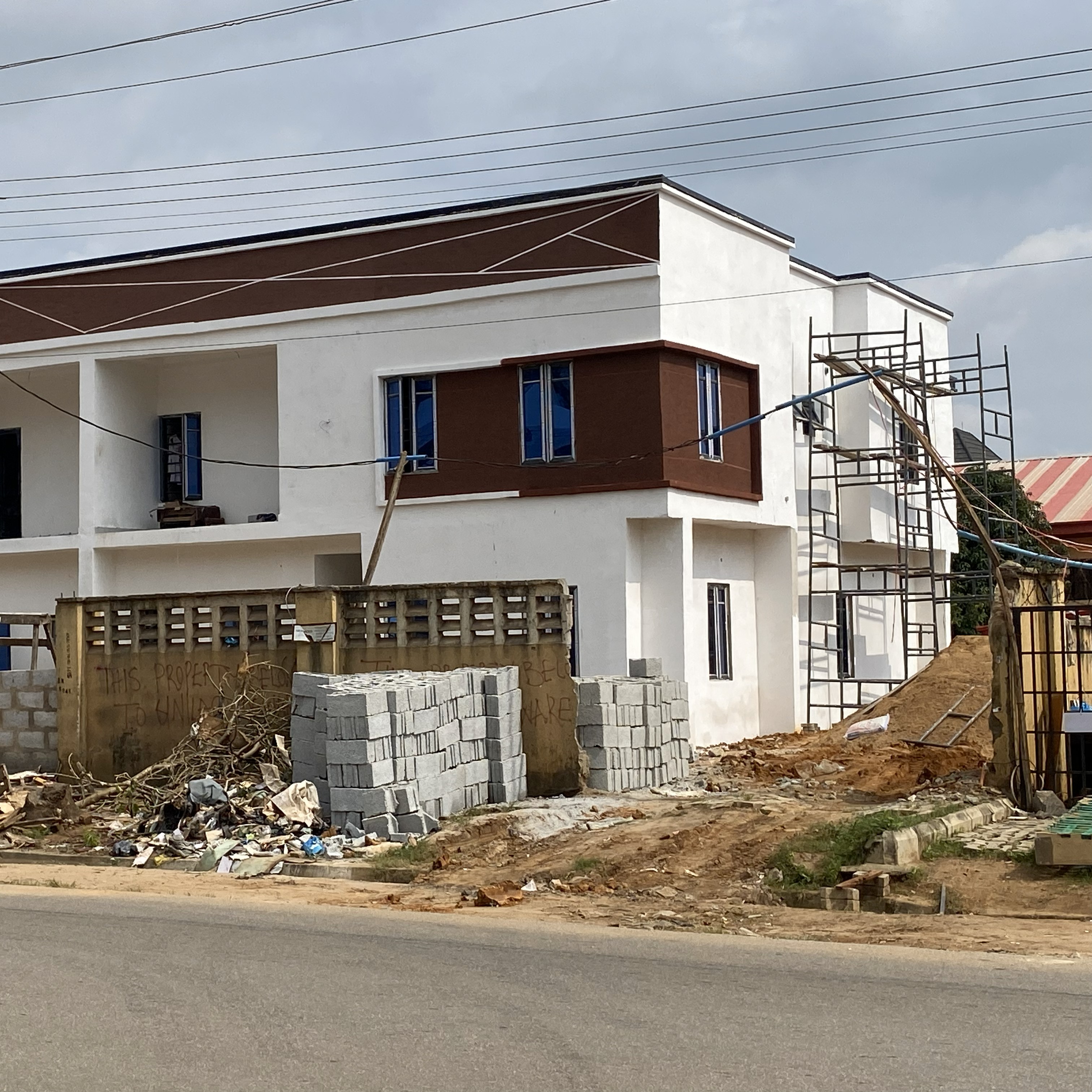
A clear example of this impact is the Hanaini Gwarinpa Project, Abuja, where eight dilapidated townhouse duplex units were transformed through significant capital investment fully funded by Hanaini. Once neglected and deteriorating, the project was revived into functional, modern residential units — restoring value, livability, and market relevance.
At Hanaini, asset optimization goes beyond construction. It is about restoring confidence, revitalizing communities, and turning unrealized dreams into tangible realities. Through strategic intervention and disciplined execution, we convert stalled developments into thriving assets that contribute meaningfully to Nigeria’s urban future.